Steps after a Charlotte Truck Accident Lawyer-Recommended Scene Preservation in 2025

This version is written as a normal blog article, with the links already embedded. You can bold the focus keyword everywhere you need it once it is in WordPress.
Steps After a Charlotte Truck Accident Lawyer-Recommended Scene Preservation in 2025
When a truck collision happens in Charlotte, properly preserving the crash scene is usually the first priority for any experienced Charlotte truck accident lawyer. Once law enforcement and first responders have done their work and the physical scene is preserved and documented, what happens next can determine how strong a future legal claim will be.
In 2025, truck crash investigations in North Carolina rely heavily on a mix of physical evidence, electronic data, and regulatory records. Because North Carolina still applies contributory negligence, even a small misstep in the way evidence is protected and used can affect whether an injured person receives compensation at all. Understanding the steps that follow lawyer-recommended scene preservation helps keep the case grounded in reliable proof instead of conflicting memories.
Understanding Scene Preservation in a Charlotte Truck Crash
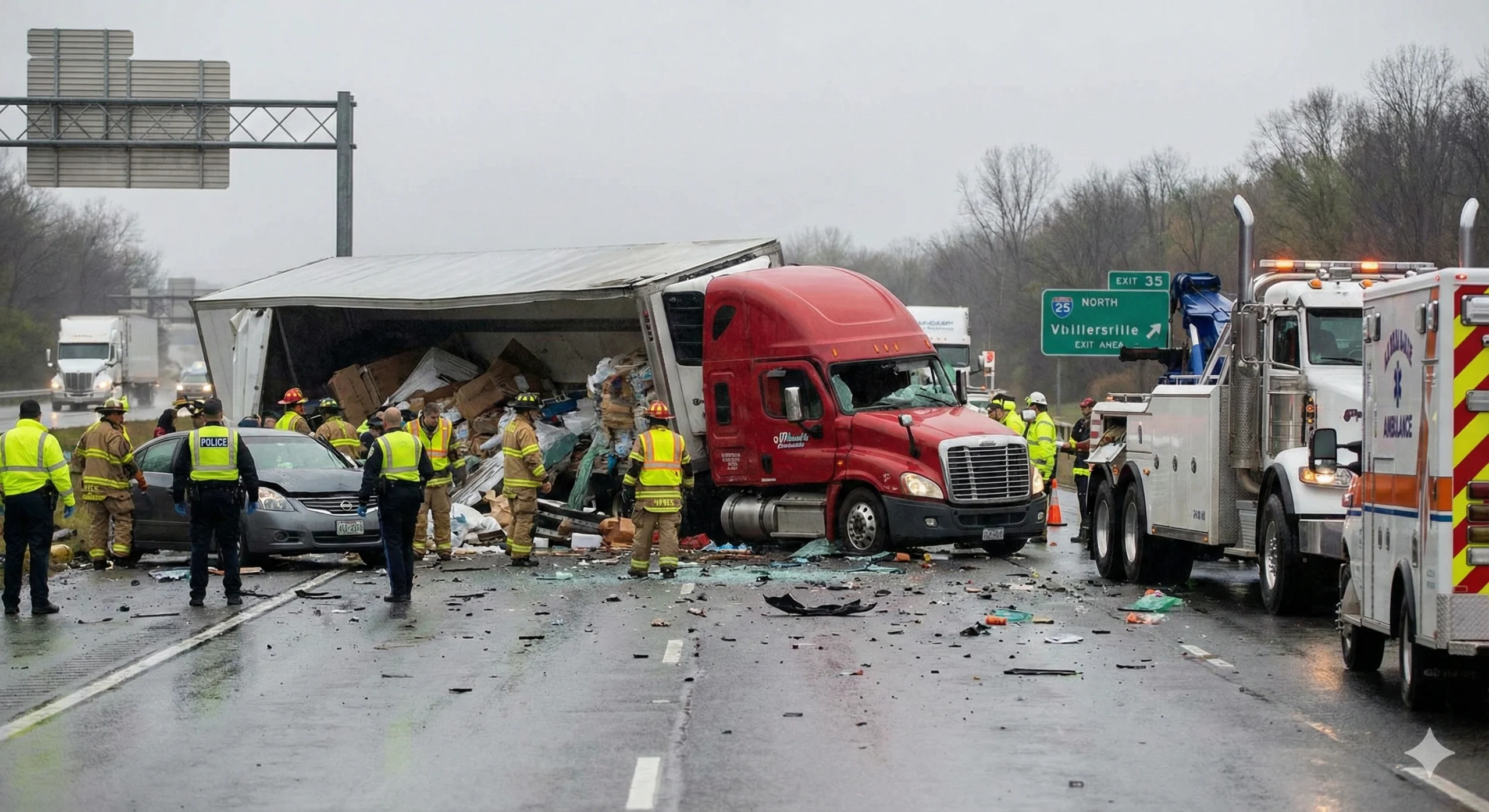
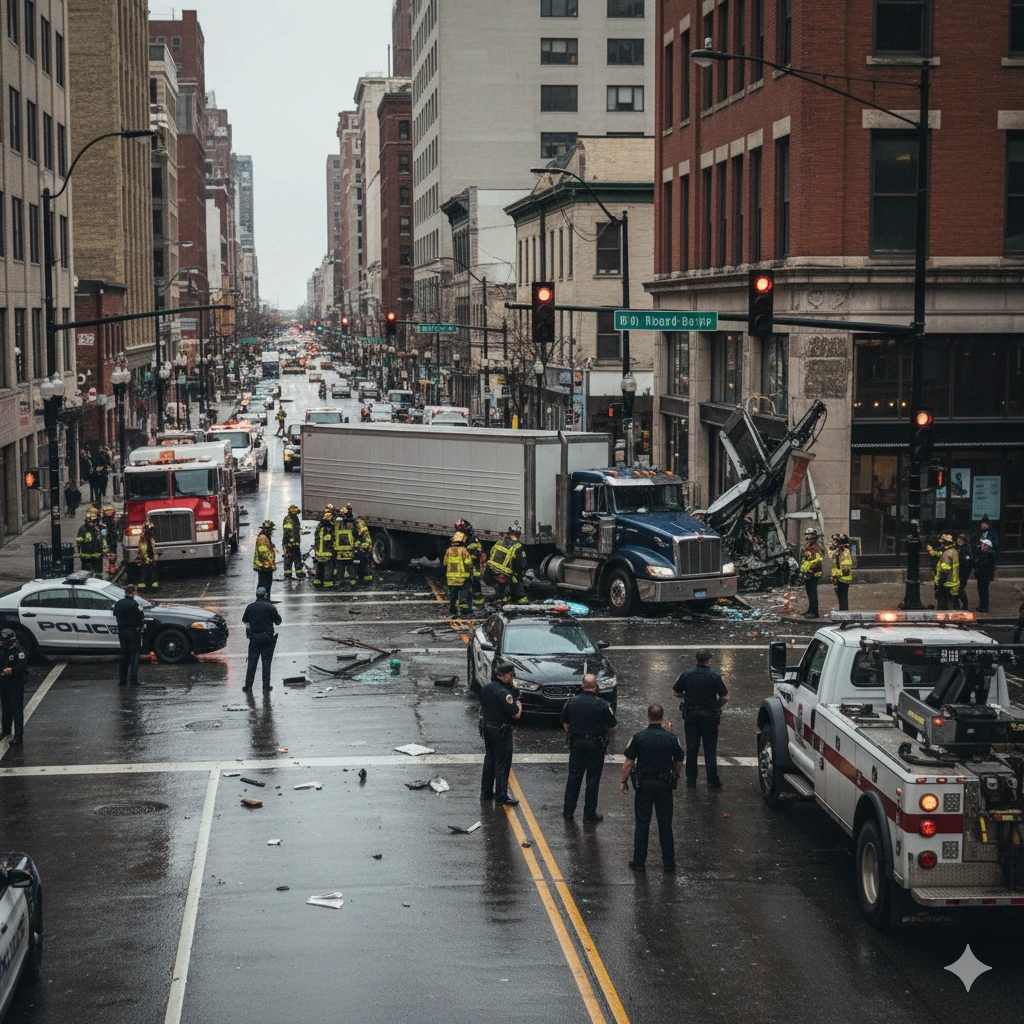
Scene preservation in a truck collision is about keeping both the roadway and the vehicles in their post-crash condition long enough for police and, later, experts to understand what happened. Law enforcement typically wants vehicles to remain where they came to rest until it is safe to document their positions, measure skid marks, and note any fluid spills or gouge marks on the pavement. A Charlotte truck accident lawyer generally advises clients not to move vehicles or debris unless officers require it for safety or to reopen lanes.
The official crash report that an officer prepares is built on what is visible at that preserved scene. It will often include diagrams of the roadway, notations of weather and lighting, and observations about possible violations such as speeding, following too closely, or improper lane changes. That report later becomes a key document in insurance negotiations and civil claims, so the better the initial preservation, the more reliable the officer’s narrative will be.
Once law enforcement has completed its on-scene work and authorizes vehicles to be moved, it does not mean that preservation is over. A Charlotte truck accident lawyer usually expects clients to move from preserving the physical layout to protecting photographs, videos, and witness information gathered during that early period.
Documenting the Scene After Police Clearance
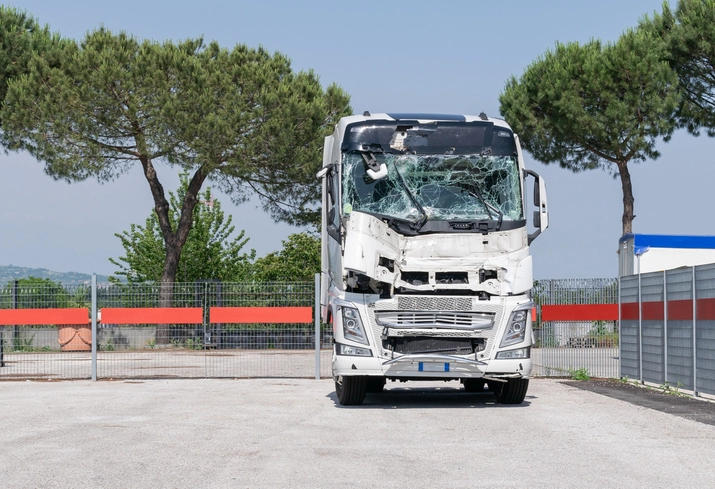
After officers clear the roadway and vehicles are towed or driven away, detailed documentation becomes the next priority. Anyone involved in the crash who is able to do so should save photographs from multiple angles showing vehicle damage, the condition of the road surface, traffic control devices, and any visible skid marks or debris trails. Even images taken on a phone from different distances can later help an accident reconstruction expert calculate speed, direction, and point of impact.
Witness information is equally important. Names, phone numbers, and brief written or recorded statements from people who saw the crash or its aftermath can provide perspectives that do not appear in the official report. A Charlotte truck accident lawyer will often rely on these early statements to counter later changes in testimony or gaps in the officer’s observations.
It is also important to keep a personal record of the sequence of events while it is still fresh. Writing down where each vehicle came from, the speed you believe you were traveling, and any comments made by the truck driver or other motorists at the scene can preserve details that memory may lose over time. These contemporaneous notes often become useful when depositions are taken months or years later.
Reporting Requirements and Accessing Official Records
North Carolina law requires certain crashes to be reported, particularly those involving injury, death, or significant property damage. In a serious truck collision, law enforcement will almost always respond and create an official report. Later, a Charlotte truck accident lawyer or the injured person can obtain a copy through the North Carolina Division of Motor Vehicles.
The state provides access to crash reports through the official DMV and transportation portal at https://www.ncdot.gov/dmv/offices-services/records-reports/Pages/crash-reports.aspx. This government resource allows eligible requesters to order a copy of the officer’s report, which includes basic information about the parties, the vehicles, any citations, and the officer’s assessment of contributing circumstances. Having this report in hand is essential for understanding how the investigating agency initially viewed the crash.
In addition to the police report, towing records, fire department reports, and emergency medical service run sheets can all provide objective details about the aftermath of the collision. These documents help confirm timelines, injury complaints, and the condition of the vehicles when they were first handled by professionals.
Seeking Medical Evaluation and Preserving Health Records
After a serious collision with a commercial truck, immediate medical evaluation is critical. Even when injuries are not obvious at the scene, the forces involved in a truck crash can cause internal injuries, spinal trauma, or concussions that do not fully manifest until hours or days later. Emergency room records, urgent care notes, and follow-up appointments all contribute to a clear timeline connecting the crash to the injuries.
A Charlotte truck accident lawyer typically stresses the importance of following medical advice and keeping appointments. Gaps in treatment or long delays before seeking care may later be used by insurance companies to argue that the injuries were not serious or were caused by something other than the crash. Keeping copies of discharge instructions, prescriptions, diagnostic imaging reports, and physical therapy notes can make it easier to document the full extent of the harm.
It is also helpful to maintain a personal injury journal. Recording pain levels, limitations in daily activities, and missed work helps translate medical findings into practical, real-world impacts. Later, this record can support claims for lost wages, loss of earning capacity, and non-economic damages such as pain and loss of quality of life.
Preserving Electronic Data and Trucking Records
In modern trucking cases, a significant part of the evidence is electronic. Commercial vehicles frequently have engine control modules or event data recorders that capture speed, braking, throttle position, and other parameters in the seconds before a crash. Many trucks now use dash cameras and telematics systems, while federal rules require most carriers to use electronic logging devices to track hours of service.
Because these systems may overwrite data on a regular schedule, a Charlotte truck accident lawyer typically acts quickly to ensure that this information is preserved. After the initial scene preservation, one of the next steps is often to send formal written notice to the trucking company and any other potentially responsible parties demanding that they retain all relevant electronic data. This usually includes the truck’s event data, ELD records for the period leading up to the crash, in-cab camera footage, and any dispatch communications.
In addition, trucking companies are required to keep driver qualification files, maintenance and inspection records, and documents related to prior violations. These records can reveal patterns such as repeated hours-of-service problems, inadequate maintenance, or past crashes involving the same driver. Protecting and later accessing this material often requires formal legal requests, but early notice immediately after the crash makes it harder for carriers to argue that information was lost through routine document destruction.
Using Expert Analysis After Preservation
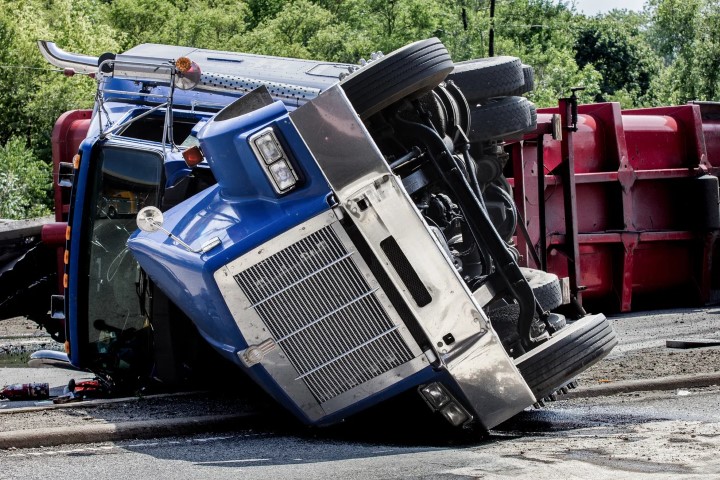
Once physical and electronic evidence is safeguarded, expert analysis becomes central to a serious truck case. Accident reconstruction specialists use scene photographs, police measurements, and electronic data to recreate how the collision occurred. They can often determine pre-impact speed, braking distance, lane position, and whether one vehicle crossed a line or failed to yield.
Biomechanical experts may examine how the forces of the collision affected the occupants, comparing vehicle damage and crash dynamics with the diagnosed injuries. Their work can help link particular injuries to specific aspects of the impact, countering arguments that medical issues were pre-existing or unrelated. A Charlotte truck accident lawyer typically coordinates this expert work, ensuring that the preserved evidence is provided in a way that allows thorough, credible analysis.
Other experts might focus on trucking regulations, safety management, or fleet operations. They can compare the carrier’s practices to federal and industry standards and identify where policies or enforcement fell short. When scene preservation and post-crash evidence handling have been conducted carefully, these experts have far more to work with and can give opinions that carry significant weight.
Dealing With Insurance Companies After a Truck Crash
As soon as a serious truck collision is reported, multiple insurance carriers are usually notified: the commercial liability insurer, any excess or umbrella carriers, and sometimes insurers for shippers, brokers, or trailer owners. Adjusters may reach out quickly to request statements or seek early settlement discussions. A Charlotte truck accident lawyer generally advises caution in these early contacts.
Recorded statements to an opposing insurer can lock an injured person into incomplete or poorly phrased descriptions of the crash, sometimes before all the preserved evidence has been reviewed. It is normally safer to provide written information after reviewing the police report, photographs, and medical records. Settlement offers made soon after the crash may not take into account the full extent of injuries, ongoing treatment needs, or the possibility of future complications.
A properly preserved scene and the follow-up steps described above give the injured party a stronger position in these negotiations. When an insurance company knows that black box data, ELD logs, maintenance records, and witness statements have all been protected and are available for review, it is harder to dismiss the claim or shift blame casually.
Understanding the Role of Litigation and Court Procedures
Not every truck accident claim ends up in court, but many serious cases do. When settlement negotiations stall or liability is disputed, filing a lawsuit in the appropriate North Carolina court becomes the next stage. By this point, the groundwork laid immediately after scene preservation becomes crucial.
In litigation, formal discovery tools such as interrogatories, document requests, and depositions are used to obtain and test evidence. A Charlotte truck accident lawyer relies on the earlier preservation steps to justify targeted requests for electronic data and company records. If a trucking company has lost or destroyed information that should have been preserved, the court may consider sanctions or allow the jury to draw negative inferences about what the missing evidence would have shown.
Court procedures also impose strict deadlines. North Carolina’s statute of limitations for personal injury claims generally requires filing within a set number of years from the date of the crash, and failing to meet that deadline can bar the claim completely. Proper organization of preserved materials makes it easier to prepare a clear, well-supported complaint within the required timeframe.
Connecting With Reliable Legal Information
Because truck crashes involve both state negligence law and federal safety regulations, many people look for neutral, detailed information before deciding what to do. Resources that explain how commercial trucking claims work, what evidence matters most, and how liability is determined can help injured people understand the process they are entering.
A helpful example of this kind of neutral guidance is available at this reliable and experienced Charlotte truck accident lawyer, which discusses issues that commonly arise in commercial truck collisions in the Charlotte area. Reading through materials like this can make it easier to follow the steps described in this article and to understand how they fit into a broader legal strategy.

Frequently Asked Questions
What does a Charlotte truck accident lawyer usually recommend right after the crash scene is preserved?
After the crash scene is preserved and law enforcement has completed its on-site work, a Charlotte truck accident lawyer typically focuses on three immediate priorities: securing photographs and videos, identifying and contacting witnesses, and making sure that electronic data such as black box information and ELD logs will not be deleted. These early steps build on the initial physical preservation and ensure that the evidence remains usable as the claim develops.
Why is preserving electronic data from the truck so important?
Electronic data has become central to truck crash investigations because it can objectively show speed, braking, hours of service, and other factors that might be disputed later. If this data is lost or overwritten, it can be much harder to prove how the crash occurred or to identify violations of safety rules. Acting quickly to demand that the trucking company retain this information is one of the key steps after initial scene preservation.
How do North Carolina’s contributory negligence rules affect what happens after a truck accident?
Under contributory negligence, if an injured person is found even slightly at fault for causing the crash, they may be barred from recovering damages. That makes careful evidence handling especially important in North Carolina truck cases. The more clearly the preserved scene, the crash report, and the electronic records point to the truck driver or carrier as the cause of the collision, the less room there is for an insurer to argue that the injured person shares blame.
What role does the official crash report play in a Charlotte truck accident claim?
The official crash report is not the final word on fault, but it is often the starting point for insurers, experts, and the court. It captures the officer’s impressions about contributing factors, documents basic information about the drivers and vehicles, and includes diagrams or narratives based on the preserved scene. Obtaining a copy and reviewing it alongside photographs and witness statements helps identify issues that may need further investigation or clarification.
Why should medical treatment be a priority even after the scene has been properly preserved?
Medical treatment is essential both for health and for the legal claim. Many injuries from truck crashes, such as soft tissue damage, internal injuries, and traumatic brain injuries, do not always appear immediately. Prompt evaluation, documented diagnoses, and consistent follow-up care link the harm to the collision in a way that insurers and courts recognise. Without that clear medical record, even well-preserved crash evidence may not be enough to prove the full extent of the damages.
How do experts use preserved evidence in a Charlotte truck accident case?
Experts use preserved evidence to answer specific technical questions that go beyond what lay witnesses can describe. Accident reconstruction specialists use roadway markings, vehicle damage, and electronic data to determine how the crash happened, while medical and biomechanical experts connect those forces to particular injuries. Their conclusions depend heavily on the quality of the preservation and follow-up steps taken immediately after the collision, which is why those early actions are so vital.