
Steps to Take After a Truck Accident in Edmond, According to an Experienced Edmond Truck Accident Lawyer
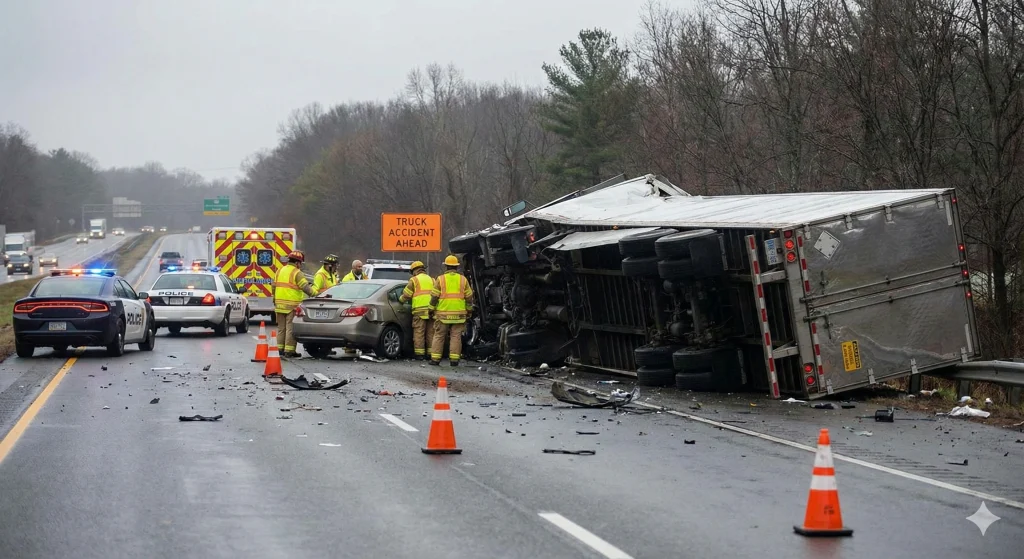
An Edmond truck accident lawyer emphasizes that immediate action following a truck crash in Edmond protects health, preserves evidence, and ensures compliance with Oklahoma statutes. Truck accidents often result in severe injuries due to the significant size and weight disparity between commercial vehicles and passenger cars, making strict adherence to post-collision procedures essential under both state and federal law. This guide details the critical steps, drawing from legal standards, case precedents, and local practices to inform those affected.
Immediate Safety Measures
The first priority after any truck accident in Edmond remains ensuring the safety of all involved parties, as commercial vehicles can create hazardous scenes with spilled cargo, leaking fuel, or blocked roadways. Drivers and passengers should exit vehicles if possible without risking further harm, activate hazard lights, and position reflective triangles or flares to warn approaching traffic, aligning with Federal Motor Carrier Safety Administration (FMCSA) guidelines for accident prevention. In Oklahoma, under Title 47 §10-103, vehicles must stop without obstructing traffic, and failure to do so can lead to misdemeanor charges, underscoring the need for calm, deliberate movement to a shoulder or median when feasible.
Local conditions in Edmond, such as busy intersections on State Highway 66 or Broadway, amplify risks, where data shows trucks contribute significantly to injury crashes statewide. An Edmond truck accident lawyer would advise against assuming minor impacts, as large trucks carry momentum that causes delayed structural failures or fires. Calling 911 promptly connects to Edmond Police Department responders trained in commercial vehicle incidents, who document the scene per Oklahoma Highway Patrol protocols.
Calling Emergency Services
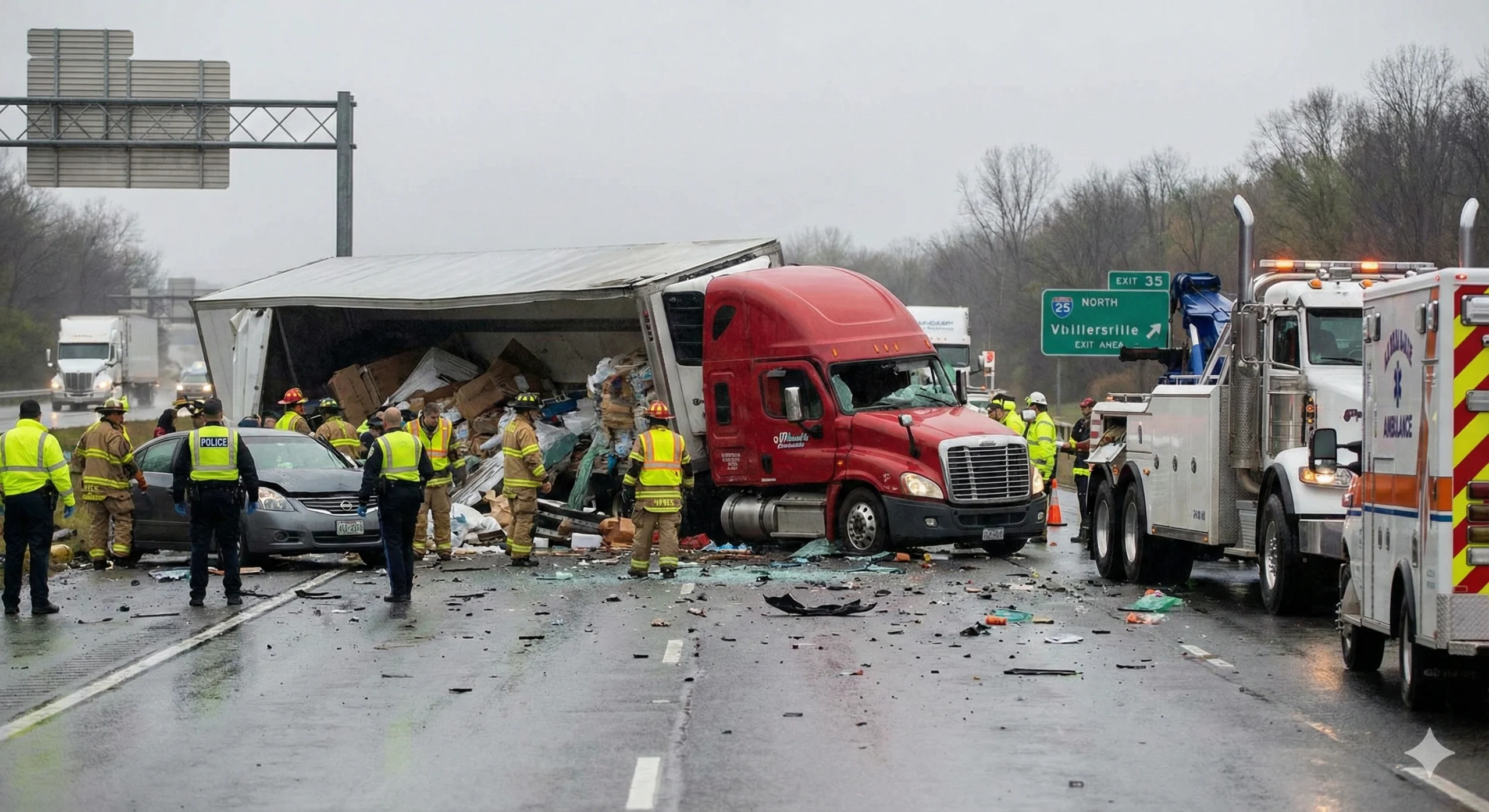
Contacting law enforcement immediately after a truck accident ranks as a statutory obligation in Oklahoma, particularly for incidents involving injury, death, or property damage exceeding $500. The responding officer generates an Official Oklahoma Traffic Collision Report, essential for insurance claims and liability determinations, detailing factors like driver logs, vehicle markings, and witness statements. For truck crashes, FMCSA mandates carriers report fatal or serious injury events within specified timelines, often triggering federal investigations into hours-of-service violations or maintenance lapses.
In Edmond, reports can be requested from the police department at (405) 359-4420 for city-limit incidents, providing a factual baseline amid complex fault analyses involving multiple parties like drivers, carriers, and loaders. Delays in reporting risk evidence loss from weather or traffic, while hit-and-run scenarios by truckers escalate to felonies under Oklahoma law, with penalties up to ten years for injury-related flights. Medical teams dispatched via 911 address hidden traumas common in high-impact collisions.
Seeking Medical Evaluation
Even absent obvious injuries, professional medical assessment proves vital post-truck accident, as symptoms like whiplash, traumatic brain injuries, or internal bleeding may emerge days later, per NHTSA data on large truck crashes. Oklahoma courts require documented causation linking injuries to the event, making initial emergency room visits or follow-ups indispensable for personal injury claims under 12 O.S. §95(A)(3), which sets a two-year statute of limitations. Records from providers establish baselines for economic damages like bills and lost wages, alongside noneconomic suffering.
Truck accidents in Oklahoma saw 10,324 injury crashes from 2017-2023, highlighting prevalence in areas like Edmond near interstates. An experienced Edmond truck accident lawyer stresses compliance with treatment plans, as gaps invite insurer arguments of exaggeration. Refusal of on-scene aid does not preclude later care; however, prompt evaluation fortifies claims against comparative negligence defenses.
Documenting the Scene Thoroughly
Comprehensive documentation forms the evidentiary cornerstone after a truck accident, capturing vehicle positions, damage patterns, road conditions, and commercial markings like DOT numbers for carrier identification. Photographs of black boxes, load securement, tire conditions, and witness contacts preserve details before towing disperses evidence, crucial given Oklahoma’s 5,575 truck crashes in 2021 alone. Sketches or notes on weather, signage, and sequences aid reconstructions, often pivotal in proving breaches of FMCSA rules on braking or loading.
Eyewitness accounts carry weight in multi-party litigation, where trucker fatigue or employer negligence surfaces via logs subpoenaed later. In Edmond, urban-rural interfaces on routes like I-35 demand specifics on speed limits and visibility. Failing to gather plates, insurance info, and company names complicates pursuits, as insurers scrutinize incomplete records for denials.
Exchanging Essential Information
Oklahoma Statute §47-10-103 mandates exchanging driver licenses, registrations, and insurance proofs without admitting fault, extending to truck-specific details like USDOT numbers and cargo manifests. Recording names, contacts, and affiliations of all parties, including bystanders, prevents disputes, especially when trucking firms deploy adjusters swiftly to minimize liability. Verbal admissions risk undermining claims, so statements should limit to factual exchanges.
For commercial crashes, noting electronic logging devices or telematics aids discovery of violations like exceeding 11-hour driving limits under FMCSA. An Edmond truck accident lawyer with local insight navigates these exchanges, as Oklahoma County logged 1,300 truck incidents recently. Preserve business cards from responding personnel for report access.
Notifying Insurance Carriers
Prompt notification to your insurer fulfills policy duties, typically within 24 hours, detailing the truck accident without speculating on fault to avoid prejudicing settlements. Oklahoma mandates minimum liability of 25/50/25 for autos, but trucks require higher federal minimums, exposing underinsured gaps recoverable via personal policies or claims against carriers. Insurers initiate appraisals, yet trucking entities often self-insure, prolonging processes amid investigations.
Claims involve economic losses like repairs and medicals, plus pain thresholds without caps post-Oklahoma Supreme Court rulings. Delays notify statutes, as two years elapse quickly in litigious truck cases. Coordinate with all parties’ carriers cautiously, preserving rights.
Consulting an Experienced Professional
Engaging a knowledgeable attorney early clarifies liabilities in truck accidents, where vicarious responsibility under respondeat superior holds employers for driver negligence, alongside direct claims for hiring flaws as in Fox v. Mize. An experienced professional familiar with Edmond nuances assesses FMCSA violations, black box data, and expert needs for causation proofs. Timing matters, as discovery tolls preserve evidence before spoliation.
Complexities arise from interstate commerce, invoking federal preemption. Local stats, like 875 fatal truck crashes statewide 2017-2023, underscore stakes. Initial consultations map strategies without upfront commitments.
Understanding Oklahoma Deadlines
Oklahoma’s two-year statute under 12 O.S. §95 governs truck personal injury suits from accident dates, with rare tolling for minors or incapacity. Missing bars recovery forever, emphasizing diligence amid insurer delays. Wrongful death follows suit, prioritizing procedural filings.
Truck specifics like federal reporting add layers; carriers maintain accident registers for three years per FMCSA. Courts enforce strictly, dismissing late claims.
Potential Liabilities Involved
Fault determination blends Oklahoma’s modified comparative negligence with FMCSA scrutiny on driver quals, maintenance, and hours. Employers face negligent entrustment if history ignored, as precedents affirm. Multiple defendants—trucker, firm, manufacturer—demand apportioned recoveries.
State data reveals trucks in 16.5% crash upticks, often multi-vehicle. Evidence like logs proves breaches.
Federal Trucking Regulations
FMCSA oversees interstate trucks via hours-of-service (11/14 rules), inspections, and reporting for crashes with injury/fatality. Violations bolster negligence per se claims, with carriers liable for systemic failures. Oklahoma aligns, mandating compliance.
Local Edmond Considerations
Edmond’s growth strains roads, with six fatal multi-vehicle crashes in 2022. Police handle reports efficiently, but truck volume on I-35 warrants specialized handling. www.fmcsa.dot.gov details federal stats.

FAQ
What immediate steps follow a truck accident in Edmond?
Following a truck accident in Edmond, prioritize safety by moving to safe spots if possible, activating warnings, and dialing 911 for police and medical response, as mandated by Oklahoma Title 47 statutes and FMCSA protocols to document and secure the scene. Documentation via photos of damage, positions, and truck identifiers preserves evidence for liability probes, while exchanging info without admissions complies with exchange laws, setting foundations for claims within the two-year limit. Medical checks address latent injuries prevalent in such high-force impacts, per NHTSA patterns.
How does Oklahoma determine fault in truck crashes?
Oklahoma employs modified comparative fault, assigning percentages via evidence like police reports, telematics, and witness accounts, integrating FMCSA violations as negligence per se for drivers exceeding hours or poor maintenance. Courts review employer roles under respondeat superior and entrustment doctrines, as in precedents shifting burdens. Multi-party apportionment follows, barring recoveries over 50% fault.
What is the statute of limitations for an Edmond truck accident lawyer claim?
Under 12 O.S. §95(A)(3), claimants have two years from injury dates for personal injury or wrongful death suits post-truck accident, with strict enforcement absent tolling exceptions like discovery rules or minors. Federal overlays for interstate carriers demand prompt filings to subpoena logs before purging. Missing forfeits remedies entirely.
Why seek medical care even without visible injuries?
Truck accidents generate forces causing delayed conditions like concussions or spinal trauma, undocumented initially weakening causation links required in Oklahoma proofs. Early records counter insurer minimizations, supporting damages encompassing futures under no-cap noneconomics post-constitutional rulings. Compliance aids holistic recoveries.
How do FMCSA rules impact truck accident claims?
FMCSA mandates reporting for serious crashes, hours logs, and registers, violations evidencing negligence actionable in state courts via preemption doctrines. Carriers face direct liability for non-compliance, enhancing victim recoveries through expert analyses of ELDs and inspections. Oklahoma integrates these federally.
What role does documentation play post-crash?
Thorough photos, notes, and info exchanges form irreplaceable evidence amid towing and memory fades, crucial for reconstructing sequences proving breaches like improper lanes or loads in Oklahoma’s high-truck volume. Courts rely on these over self-serving statements, fortifying against defenses in litigated claims.


