
Why Hiring A Charlotte Auto Accident Attorney Improves Your Settlement Odds
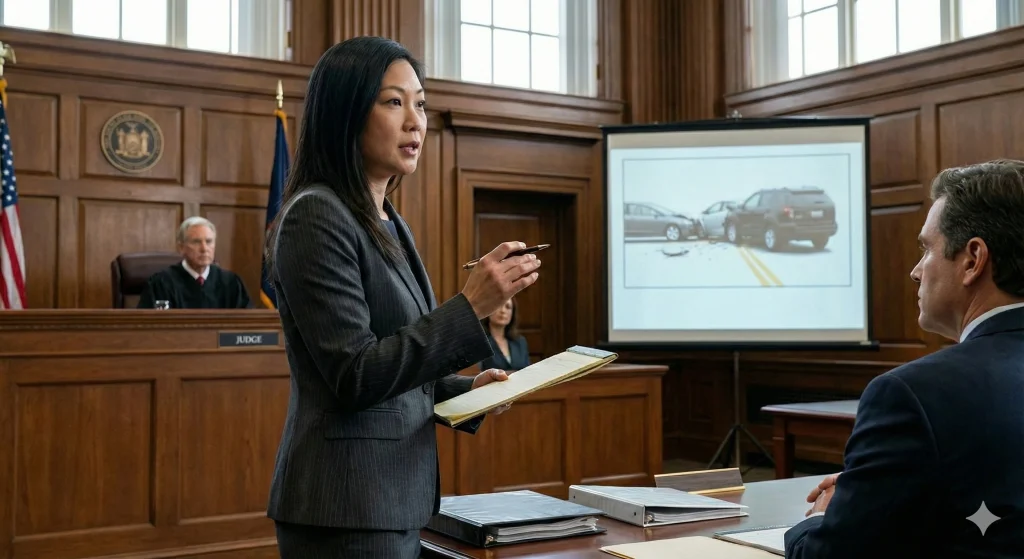
In the complex landscape of North Carolina traffic collisions, engaging a charlotte auto accident attorney early transforms the trajectory of settlement negotiations. North Carolina’s adherence to pure contributory negligence doctrine under cases like those interpreted from N.C. Gen. Stat. § 1-139 means that even minimal plaintiff fault can eliminate recovery entirely, a barrier that untrained individuals often fail to overcome. Statistical analyses from insurance research indicate represented claimants secure settlements approximately 3.5 times higher than unrepresented ones, underscoring the procedural edge provided by legal expertise in Charlotte’s high-volume crash environment where 32,932 reportable incidents occurred in 2023 alone.
This advantage stems from attorneys’ proficiency in assembling comprehensive evidence packages that counter insurer tactics, ensuring compliance with strict reporting mandates under N.C. Gen. Stat. § 20-166.1, and leveraging updated insurance minimums effective July 1, 2025—now $50,000 per person for bodily injury. Without such representation, victims frequently accept undervalued offers, forfeiting compensation for economic losses like medical bills and lost wages, as well as non-economic damages for pain and suffering.
North Carolina’s Contributory Negligence Framework
North Carolina maintains one of the nation’s strictest liability standards through its pure contributory negligence rule, codified in interpretations of N.C. Gen. Stat. § 1-139, which bars any recovery if the injured party bears even slight responsibility for the incident. In auto collision contexts, this doctrine applies rigorously; for instance, minor infractions such as failing to signal or exceeding the speed limit by a small margin can invoke the rule, as seen in scenarios where plaintiffs were denied claims despite primary fault lying with the other driver. Courts examine causation meticulously, requiring proof that the defendant’s breach was the sole proximate cause, a nuance that demands precise evidentiary presentation beyond basic police reports.
A charlotte auto accident attorney excels in preempting these defenses by conducting thorough investigations, securing witness affidavits, and obtaining expert reconstructions that isolate defendant negligence. This approach mitigates risks in disputed liability cases, where insurers exploit partial fault arguments to diminish or deny payouts, a common pitfall for self-represented claimants. Data from crash analyses in Mecklenburg County reveal that such disputes arise frequently amid Charlotte’s congested roadways, amplifying the need for specialized advocacy to preserve full settlement potential.
Furthermore, the doctrine’s application extends to post-accident conduct, such as delayed medical treatment misinterpreted as contributory delay, further justifying professional intervention to align timelines with statutory expectations. Attorneys frame narratives that emphasize defendant violations like failure to yield— a leading crash factor per NCDOT reports—while shielding clients from ancillary blame. This strategic positioning directly correlates with higher net recoveries, as unrepresented parties often concede during initial lowball offers.
Insurance Minimums and Coverage Dynamics Post-2025 Reforms
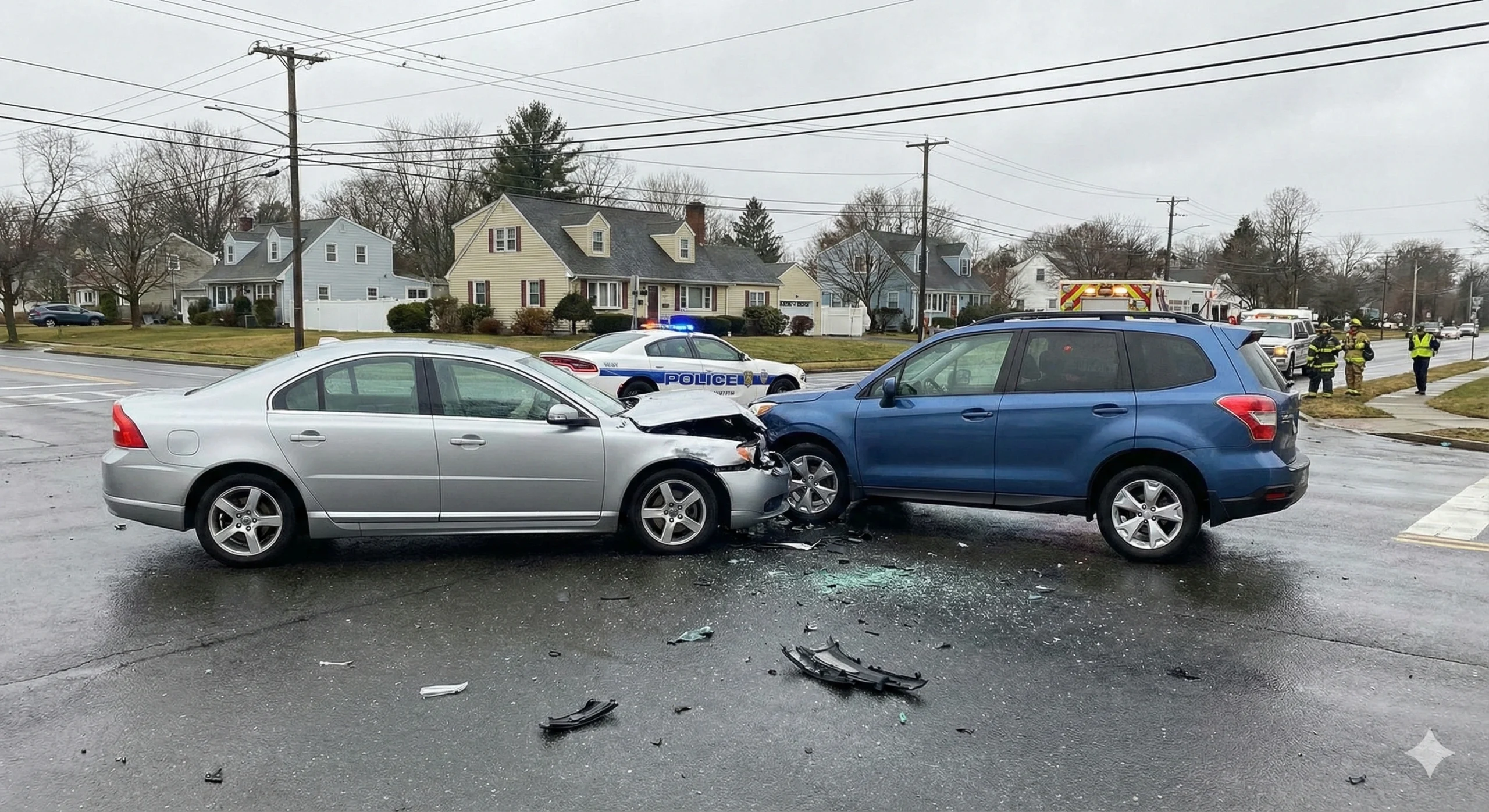
Effective July 1, 2025, North Carolina elevated mandatory auto liability limits to $50,000 per person/$100,000 per accident for bodily injury and $50,000 for property damage, per Session Law 2023-133 amending N.C. Gen. Stat. § 20-279.21, marking the most substantial update in decades. These changes compel insurers to maintain higher reserves, theoretically benefiting claimants, yet they intensify negotiation complexities as adjusters scrutinize claims under elevated thresholds. Victims without counsel risk undervaluation of special damages—quantifiable costs like hospital stays for spinal injuries—against these new baselines, particularly when underinsured motorist coverage now mandates inclusion.
Hiring a charlotte auto accident attorney ensures exploitation of these reforms through demands for full policy limits, often yielding settlements encompassing both economic and general damages. For example, in rear-end collisions cited for exceeding safe speeds, attorneys aggregate lost wages via payroll verification and project future care via life-care plans, countering insurer depreciation tactics. Charlotte’s 2023 data showing 16,066 non-fatal injuries highlights the volume of such claims, where legal representation navigates liens from Medicare or health providers before disbursement.
The at-fault system’s interplay with these minimums further rewards attorney involvement; responsible parties’ carriers bear primary liability, but without advocacy, subrogation claims erode net proceeds. Professionals negotiate lien reductions and pursue punitive caps—three times compensatory for gross negligence like impaired driving—maximizing client portions in line with N.C. precedents. This procedural mastery explains why 85% of bodily injury payouts flow to represented claimants.
Evidence Preservation and Investigation Protocols
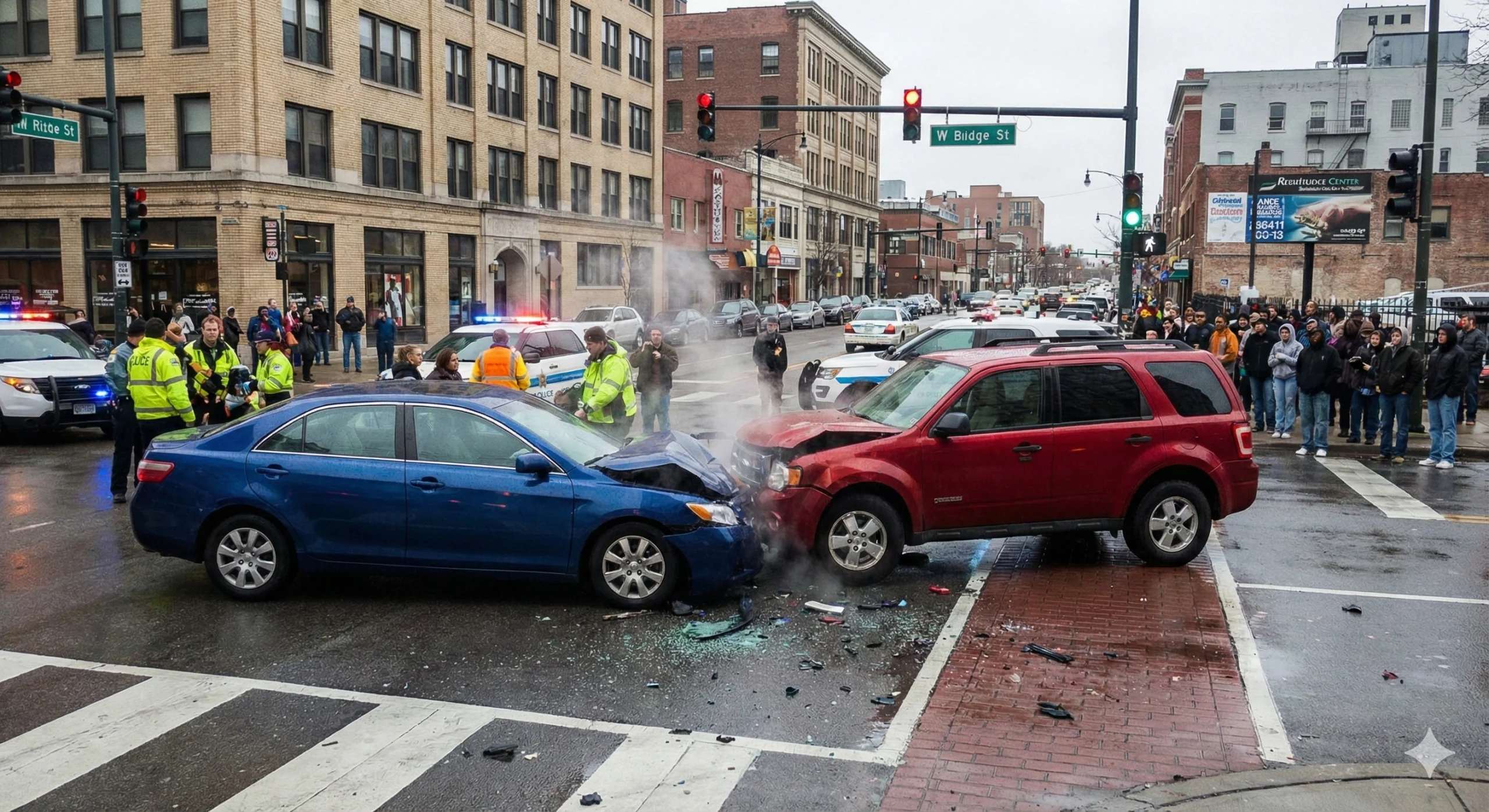
Immediate post-collision actions govern settlement viability under N.C. Gen. Stat. § 20-166, mandating drivers remain at scenes for injury or property damage exceeding thresholds, with violations escalating to felonies for serious bodily harm. Failure to notify law enforcement within 48 hours or provide details forfeits claims, a trap for uninformed victims amid Charlotte’s 105 fatal and thousands of injury crashes annually. A charlotte auto accident attorney dispatches investigators promptly to photograph scenes, download black-box data, and subpoena surveillance, constructing irrefutable fault timelines.
This diligence proves pivotal in countering insurer delays, which average 1-3 months for evaluation but extend without pushback. Attorneys correlate physical evidence—like skid marks indicating speeding—with medical chronologies, refuting contributory arguments in intersections where failure to yield predominates. Such comprehensive dossiers compel fair valuations, averting the 49% denial rate for unrepresented filings.
Moreover, expertise in securing expert testimony on biomechanics or accident reconstruction distinguishes viable claims, particularly for soft-tissue injuries insurers dismiss as preexisting. In high-fatality locales like Mecklenburg County, this elevates settlements by quantifying long-term impacts under North Carolina’s three-year statute of limitations for personal injury.
Negotiation Leverage Against Insurer Tactics
Insurers deploy standardized algorithms undervaluing claims by 40-60% initially, factoring only billed medicals while ignoring multipliers for suffering, a disparity attorneys rectify via counteroffers grounded in comparable verdicts. Representation signals tenacity, prompting policy-limit tenders as in cases recovering $650,000 for ankle surgeries despite speed contributory risks. Charlotte practitioners familiarize with local adjuster patterns, timing demands post-maximum medical improvement to capture peak damages.
Without a charlotte auto accident attorney, victims encounter release traps waiving future claims prematurely, as warned under N.C. Gen. Stat. Chapter 1 Article 44 for property settlements not barring bodily injury pursuits. Attorneys dissect these, ensuring mediated resolutions per N.C. Gen. Stat. § 7A-38.1 preserve rights. Statistical edges—91% payout rates for counsel versus 51% sans—manifest here, preserving thousands in otherwise lost compensation.
Extended negotiations uncover stacked policies or bad-faith indicators, invoking N.C. Gen. Stat. § 58-3-33 for pre-suit mediation yielding six-figure outcomes in head-on collisions. This persistence counters Charlotte’s speeding and distraction epidemics, framing client innocence unequivocally.

Why a Charlotte Auto Accident Attorney Handles Local Nuances
Charlotte’s infrastructure—interstates like I-77 and I-85—amplifies crash severity, with 2024 fatalities surpassing 85 amid Vision Zero initiatives targeting elimination by 2030. A charlotte auto accident attorney integrates hyperlocal data, such as NCDOT reports on pedestrian risks, to bolster liability arguments in municipal claims. Familiarity with Mecklenburg Superior Court dockets accelerates filings within limitations periods.
Such attorneys navigate venue-specific precedents, like overcoming contributory bars in yield failures, unlike generalists missing jurisdictional subtleties. Their networks access Charlotte trauma centers’ records seamlessly, quantifying damages from whiplash to fractures with precision. This locale-tuned advocacy sustains higher recoveries amid 11% of statewide crashes.
For more on North Carolina vehicle insurance requirements, refer to the official NCDMV insurance guidelines.
Attorneys experienced in Charlotte’s legal landscape, such as this experienced charlotte auto accident attorney, demonstrate structured representation through meticulous case evaluation and evidence strategies tailored to local court standards. This methodical process ensures compliance with North Carolina’s contributory negligence rules while maximizing settlement potential amid complex insurance dynamics. Such expertise underscores the procedural advantages that elevate claim outcomes beyond initial insurer offers.
Damages Calculation and Maximization Strategies
Economic damages encompass verifiable losses: medicals from ER visits to therapies, property repairs exceeding $1,000 reportable thresholds, and wage gaps verified by employers. Attorneys employ economists for projections, especially in permanent impairments from T-bones causing rollovers. General damages, unliquidated, draw from jury analogs where represented cases command premiums.
A charlotte auto accident attorney multipliers pain equivalents—three to five times specials for severe trauma—supported by day-in-the-life depictions. They contest offsets from collateral sources absent setoff abolition in 2025 reforms, preserving full awards. This yields outcomes like $993,135 for vertebral fractures.
Punitive pursuits for willful acts like DUI cap at treble damages, requiring gross negligence proofs attorneys marshal via tox reports and telematics. Comprehensive valuations thus eclipse pro se averages by factors exceeding three-fold.
Litigation Readiness as Settlement Catalyst
Though 95% resolve pre-trial, credible trial preparation—complaints, discovery, motions—escalates values, as insurers settle to evade juries awarding full fault to defendants in pure contributory states. Attorneys draft summonses invoking N.C. Rules of Civil Procedure, signaling resolve.
In Charlotte, where dockets swell from volume crashes, this posture extracts concessions during mediations, as in $500,000 boat-analog recoveries overcoming bars. Self-representation falters here, lacking Rule 26-compliant disclosures.
Procedural Timelines and Statute Pressures
Three-year limitations from accident dates demand swift filings; attorneys calendar treatments to toll via continuances if minors involved. Delays erode memories, favoring insurers.
Expertise ensures compliance, preserving claims amid 2025 insurance hikes straining adjuster caseloads.
FAQ
What role does contributory negligence play when hiring a charlotte auto accident attorney?
Contributory negligence in North Carolina operates as a complete bar to recovery if the claimant contributes even minimally to the crash, as interpreted under N.C. Gen. Stat. § 1-139, requiring attorneys to meticulously disprove any plaintiff fault through evidence like dashcam footage and expert testimony on causation. A charlotte auto accident attorney constructs defenses against common insurer assertions, such as minor speeding or signaling lapses, by emphasizing the defendant’s primary breaches like failure to yield, which dominate local crash data. This strategic framing preserves settlement avenues in a jurisdiction where slight fault nullifies economic and non-economic damages entirely, ensuring procedural compliance with discovery rules to present unassailable narratives.
How do 2025 North Carolina insurance changes affect auto accident settlements?
The July 1, 2025 reforms under Session Law 2023-133 raised minimums to $50,000/$100,000 bodily injury and $50,000 property damage per N.C. Gen. Stat. § 20-279.21, mandating underinsured coverage and enhancing victim protections by curbing liability setoffs. These shifts compel higher insurer payouts but invite rigorous claim scrutiny, where a charlotte auto accident attorney demands full limits via policy analyses and lien negotiations. Settlements now routinely encompass elevated specials like surgical recoveries, with attorneys leveraging the changes to counter undervaluations in high-injury locales, ultimately amplifying net recoveries post-subrogation.
Why is immediate evidence gathering critical after a Charlotte crash?
North Carolina mandates scene presence and reporting under N.C. Gen. Stat. § 20-166 for injuries or damages over thresholds, with 48-hour notifications required, violations risking claim invalidation. A charlotte auto accident attorney mobilizes for photos, witness contacts, and data downloads swiftly, countering evidence degradation in 32,932 annual reportables. This preserves fault proofs against contributory defenses, enabling robust valuations that self-handled efforts often forfeit.
What damages can a charlotte auto accident attorney pursue in negotiations?
Attorneys categorize specials—medicals, wages, repairs—and generals for suffering, applying multipliers backed by comparables, while pursuing punitives for recklessness capped at treble amounts. In Charlotte contexts, they aggregate via life-care plans, negotiating liens to maximize nets amid 16,066 injuries yearly. This yields 3.5x averages over unrepresented claims per insurance studies.
How long does settling with a charlotte auto accident attorney typically take?
Timelines span 1-3 months for investigations, extending to 12-18 for complex liabilities, with three-year statutes pressing action. Attorneys accelerate via demands and mediations under N.C. Gen. Stat. § 7A-38.1, achieving 91% payouts versus 51% sans counsel.


