
What To Do Immediately After A Boating Accident — Advice From A Memphis boat accident attorney

A boating accident demands swift, methodical action to safeguard lives, preserve evidence, and comply with Tennessee statutes. Victims often face disorientation amid the chaos of waterways like the Mississippi River near Memphis, where collisions, capsizings, and propeller strikes occur frequently. Consulting a Memphis boat accident attorney early ensures adherence to protocols under Tennessee Code Annotated § 69-9-210, which mandates immediate assistance and reporting.
Tennessee’s modified comparative fault system further complicates matters, allowing recovery if the victim bears less than 50% responsibility, but precise documentation proves essential from the outset. Boaters must prioritize safety while recognizing that delays can jeopardize claims within the one-year statute of limitations per Tennessee Code Annotated § 28-3-104. This guidance draws from established procedures to navigate these high-stakes scenarios effectively.
Ensuring Immediate Safety On The Water
The paramount concern following a boating incident centers on preventing further harm, as vessels may remain unstable or hazards like currents persist on Tennessee waterways. Operators and passengers alike must first account for all individuals aboard, rendering aid without endangering themselves, as required by Tennessee Code Annotated § 69-9-210(a), which obligates assistance to minimize dangers from the accident. In Memphis-area waters, where swift river flows amplify risks, activating distress signals such as flares or VHF radio channel 16 alerts nearby vessels or authorities promptly.
Life jackets, mandated by the Tennessee Wildlife Resources Agency (TWRA) for children under 13 and in certain high-risk zones, often prove decisive in survival. Adrenaline can mask injuries like concussions or internal bleeding, common in such events, necessitating a systematic check of all parties involved. Failure to secure the scene adequately not only contravenes state law but also undermines subsequent legal proceedings by allowing evidence dissipation.
Environmental factors, including sudden weather shifts on local lakes or the Mississippi, demand vigilance; operators should maneuver to calmer waters if feasible while monitoring for fuel leaks or fire risks. Memphis boat accident attorney insights emphasize that these initial minutes set the foundation for liability determinations under negligence principles. Proper flotation devices and throwable Type IV personal flotation devices, required on boats over 16 feet, must be deployed judiciously.
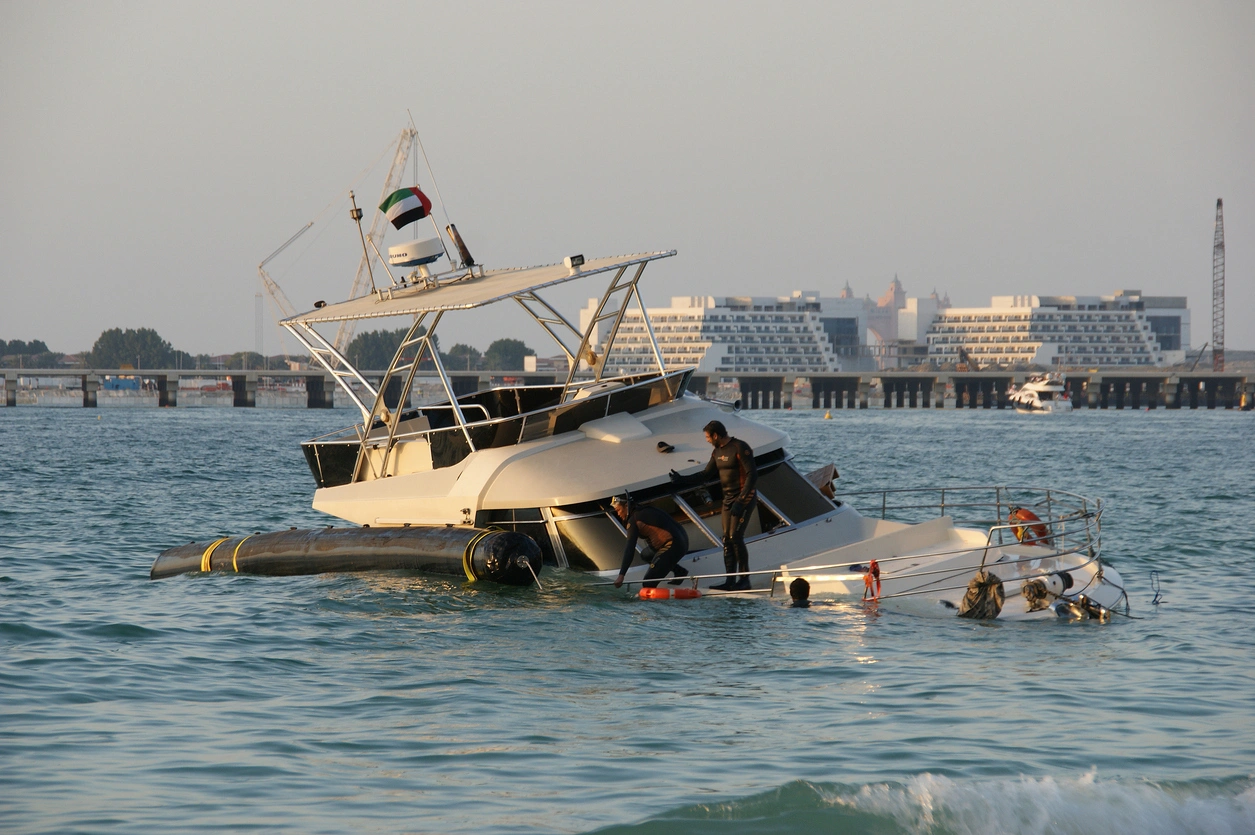
Reporting The Boating Accident To Authorities
Tennessee mandates immediate notification to the TWRA for any accident involving death, disappearance, injury beyond first aid, or property damage exceeding $2,000, with written reports due within 48 hours for injuries or fatalities and 10 days for property loss. On Memphis waterways, contacting TWRA via their hotline at 1-800-831-1173 establishes an official record, crucial for reconstructing events in line with public safety frameworks. Operators bear primary responsibility, facing Class E felony charges for non-compliance if death results.
This reporting duty aligns with federal U.S. Coast Guard standards, ensuring coordinated responses on navigable waters. Detailed accounts in the TWRA form, including vessel details, weather, and witness data, form evidentiary cornerstones in fault apportionment. Delays erode credibility, particularly when alcohol contributes, as in 20% of national fatal incidents per recent statistics.
For detailed boating regulations, refer to the official Tennessee Wildlife Resources Agency boating safety guidelines at https://www.tn.gov/twra/boating.html. Local enforcement in Memphis prioritizes these filings to curb recidivism among negligent operators. A Memphis boat accident attorney routinely leverages these reports to challenge insurer denials.
Seeking Medical Evaluation Without Delay
Even seemingly minor impacts warrant professional assessment, as delayed symptoms from spinal injuries or drownings pose severe threats. Tennessee courts recognize medical records as pivotal in proving causation under the duty-breach framework of negligence claims. Victims transported to facilities like Methodist University Hospital in Memphis benefit from comprehensive diagnostics, documenting trauma for potential litigation.
Insurance adjusters scrutinize gaps in treatment, potentially arguing pre-existing conditions or failure to mitigate damages. Under Tennessee’s no-cap on economic damages but limits on non-economic awards, thorough records maximize recoverable medical bills, lost wages, and rehabilitation costs. Memphis boat accident attorney evaluations often reveal that prompt care correlates with stronger settlements.
Adhering to first-aid protocols, such as stabilizing necks in propeller strikes, preserves victim conditions while awaiting EMS. This step underscores the procedural clarity essential in YMYL contexts, where factual neutrality bolsters admissibility.
Documenting The Scene For Legal Preservation
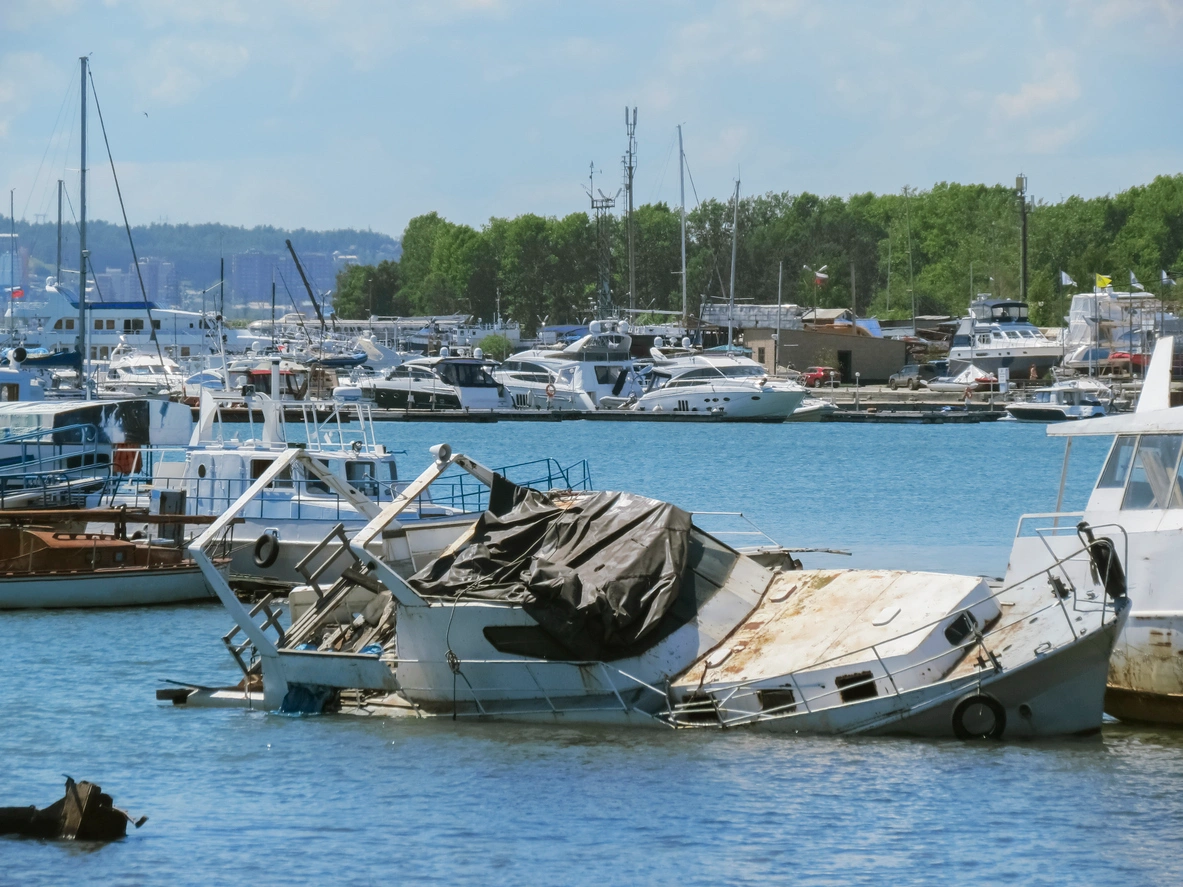
Photographs of vessel damage, positions, and environmental conditions capture ephemeral evidence before tides or cleanup alter the site. Witness statements, exchanged with contact details, counter potential disputes over fault allocation in Tennessee’s comparative negligence regime. Noting time, location via GPS, and operator details fulfills evidentiary standards without tampering accusations.
Defective equipment, like faulty seats in Norman v. Fisher Marine, Inc., emerges through such diligence, invoking products liability under strict standards. Memphis boat accident attorney strategies hinge on this chain of custody to refute spoliation claims. Sketching diagrams aids in demonstrating violations of navigation rules.
Preserving wreckage until TWRA inspection prevents civil penalties and supports expert analyses on speed or seaworthiness breaches.
Understanding Liability In Tennessee Boating Cases
Negligence governs most claims, requiring proof of duty, breach, causation, and damages, with operators liable for maintaining lookouts and safe speeds per state code. Boating under the influence invites negligence per se, mirroring DUI penalties and enhancing punitive awards for recklessness. In Memphis, 2023 saw 45 incidents, often from operator error or weather, per local data.
Property owners, as in Williams v. Mississippi River Yacht Club, face premises liability for unmarked hazards like unlit docks. Manufacturers bear responsibility for design flaws, as precedent establishes. A Memphis boat accident attorney dissects multi-party fault, vital under the 50% bar.
Punitive damages arise in extreme intoxication cases, deterring egregious conduct amid rising incidents.
Navigating Insurance And Claim Processes
Contacting insurers post-stabilization initiates coverage under liability policies, but statements risk admissions harming claims. Tennessee’s one-year limit demands expedition, as extensions rarely apply. For persistent challenges after a boat collision in Memphis, guidance from resources like this detailed attorney page proves invaluable in structuring responses.
Subrogation complexities arise when multiple policies intersect, necessitating fault clarification. Economic losses dominate awards, uncapped, while pain and suffering face caps. Negotiation phases test documentation thoroughness against adjuster tactics.
Litigation thresholds invoke discovery, where TWRA reports illuminate operator inexperience, a top factor nationally.
Common Injuries And Long-Term Implications
Propeller lacerations, blunt trauma from ejections, and drownings predominate, with spinal and head injuries yielding high costs. Rehabilitation spans months, impacting earning capacity under lost wages computations. Memphis boat accident attorney analyses project future needs via vocational experts.
Carbon monoxide poisonings in enclosed cabins add insidious risks, per TWRA warnings. Emotional distress claims require substantiation beyond physical harm. Cumulative effects strain families, underscoring comprehensive claims.
Preventive education, like TWRA certification for post-1989 births, mitigates recurrence.
Case Law Insights From Local Waters
Williams v. Mississippi River Yacht Club yielded $1.8 million for negligent dock maintenance, exemplifying premises claims. Jet ski collisions against reckless operators secured rehabilitation awards, affirming operator primacy. Norman v. Fisher Marine highlighted seat defects, broadening manufacturer exposure.
These precedents guide fault in Memphis collisions, emphasizing seaworthiness duties. Punitive precedents in BUI cases deter via enhanced liability.
Judicial trends favor detailed proofs, rewarding proactive documentation.
Preventive Measures Rooted In Regulations
TWRA mandates PFDs universally, throwable devices on larger craft, and carbon monoxide detectors. Speed limits near dams and no-wake zones enforce via patrols. Weather monitoring averts many incidents.
Operator training curtails inexperience, a leading cause. Vessel checks pre-launch detect machinery failures.
Compliance fosters safer waterways, reducing litigation burdens.
Statute Of Limitations Pressures
One year from injury bars claims thereafter, per § 28-3-104, among nation’s strictest. Discovery rules toll minimally, demanding calendar vigilance. Memphis boat accident attorney calendars preserve deadlines amid medical delays.
Tolling for minors or incapacity applies narrowly. Insurer tactics exploit expirations, underscoring urgency.
FAQ
What immediate actions must Tennessee boat operators take after an accident?
Operators must stop at the scene, render practicable assistance without self-endangerment, and notify TWRA immediately for incidents involving death, serious injury, disappearance, or over $2,000 in damage, per Tennessee Code Annotated § 69-9-210. Written reports follow within 48 hours for injuries or fatalities and 10 days for property, forming the official record that influences liability assessments under negligence doctrines. This protocol ensures coordinated emergency responses and preserves evidence integrity on waterways like those near Memphis.
How does comparative fault affect recovery in Memphis boat accident attorney cases?
Tennessee’s modified comparative fault with a 50% threshold reduces awards proportionally to victim fault but bars recovery if 50% or more at fault, as outlined in state tort principles. Courts apportion based on evidence like TWRA reports and witness accounts, allowing partial negligence claims unlike pure systems. This framework incentivizes safe conduct while enabling justice for predominantly innocent parties in multi-vessel collisions.
What role do TWRA reports play in boating injury claims?
TWRA reports detail operator details, conditions, and violations, serving as prima facie evidence in negligence suits and insurer negotiations. Mandated filings capture causation elements, countering disputes over speed or intoxication, common in Memphis incidents. Their admissibility bolsters E-E-A-T in legal proceedings, providing judicially recognized factual baselines.
Can victims pursue claims against boat manufacturers after accidents?
Yes, under products liability, victims prove design or manufacturing defects caused the incident without altering the product, as in seat failure precedents like Norman v. Fisher Marine. Strict liability applies if unseaworthiness directly led to injuries, independent of operator negligence. Expert inspections post-accident substantiate these claims within the one-year limit.
What injuries commonly arise from boating accidents on Tennessee rivers?
Propeller strikes cause lacerations and fractures, while capsizings lead to drownings, concussions, and spinal trauma, often requiring prolonged rehabilitation. Adrenaline masks symptoms, making immediate medical documentation critical for proving damages. Statistical trends show operator error precipitating most, amplifying long-term economic and non-economic losses.


